

Whether you are just beginning your career, navigating a transition, or guiding others through theirs, the work starts in the same place.
Every spring, as graduation approaches, I find myself in conversation with soon-to-be graduates stepping into the job market. Many are thoughtful, capable, and eager. Yet they are often so focused on being chosen — on fitting into someone else's definition of a role — that they lose sight of what makes them distinctive in the first place.
It is a pattern worth paying attention to, because it does not end at graduation.
Across career stages, the same dynamic plays out. A seasoned manager steps into a new organization and quietly reshapes their story to match what leadership seems to want. A high performer chases a promotion by emphasizing the skills the role requires rather than the ones they do best. A leader mentoring a team member defaults to mapping that person onto an existing role rather than asking what that person is genuinely built to do. In each case, the instinct is the same: look outward first, and fit yourself to what is in front of you.
That approach can work, at least in the short term. It can help you land a role, and you may even be really good at it. But it will eventually leave you feeling less than completely satisfied or fully engaged.
Early on, most of us are trained to look outward. We scan job descriptions, listen to recruiters, and try to align ourselves with what seems to be in demand. Over time, that habit can quietly become the default way we navigate our careers, and eventually, the way we lead others through theirs. We begin to define people by roles and measure them by outcomes, overlooking the deeper drivers of their effectiveness.
The cost of this is real. It limits individual potential. It limits collective performance. And it produces organizations full of people who are capable but not able to bring their best selves to their work.
So rather than starting with roles and requirements, begin with a different lens. Pay attention to the moments when you are at your best. Look for patterns across those experiences. Perhaps you bring clarity to ambiguity. Perhaps you connect ideas or people in ways that unlock progress. Perhaps you see risks or opportunities that others overlook. These patterns are easy to dismiss because they do not always translate neatly onto a résumé, yet they are often the most reliable indicators of how you create value. More often than not, they form a quiet through line across your life.
When you shift your focus from what you have studied or been trained to do toward how you consistently create value, new possibilities begin to emerge. You build a foundation that travels with you across roles, industries, and stages of your career. Purpose, in that sense, is not something you find. It is something that flourishes at the intersection of what you do well, what energizes you, and what others genuinely need. And it can reshape your career trajectory.
The best leaders understand the power of this for those they lead and mentor as well. They pay close attention to how people contribute, not just what they produce. They create environments where strengths are both recognized and developed. They ask better questions in performance conversations, in one-on-ones, in the moments when someone on their team is figuring out where they belong. That kind of leadership does not require a framework. It requires genuine attention to the people they lead.
Whether you are just beginning your career, navigating a transition, or guiding others through theirs, the work starts in the same place, considering:
Where am I at my best — and why?
The answer to that question is more durable than any job title. It reveals how you create value. It shapes how you contribute. And over time, it defines how you lead.
In our book, The Intentional Executive, we explore this idea at length — the importance of grounding your leadership in a clear sense of purpose and the unique value you bring, rather than simply executing against a role definition. That clarity, once found, becomes the foundation from which everything else is built.
So whether you are stepping into something new or helping someone else find their footing, start there. Understand how you contribute and build from there.
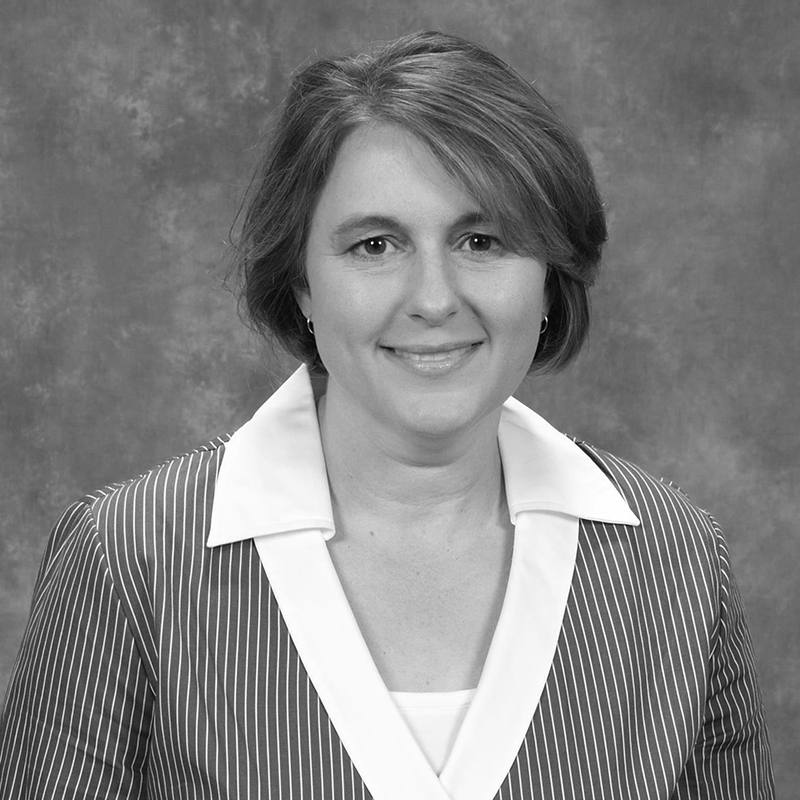
Melissa Norcross, PhD, MBA
Co-Founder and Strategic Advisor
As a former Chief Strategy Officer and veteran operations and strategy consultant for firms including McKinsey & Company, Melissa’s work spans industries and the globe. Melissa has worked with organizations ranging from Fortune 100 companies to non-profits as well as private-equity funded turn-arounds. Melissa facilitates peer networks of senior executives in the digital and technology space through Collaborative Gain’s Councils. Melissa holds a BS in Engineering from MIT, an MBA from Harvard Business School, and a Ph.D. in Values-Driven Leadership, Corporate Social Responsibility, and Sustainability from Benedictine University’s Center for Values-Driven Leadership. Melissa researches and writes on topics of organizational change, team performance, and humility. She is the co-author of The Intentional Executive: A Purpose-Driven Playbook to Transform Your Leadership, Your Team, and Your Results. A passionate nerd, Melissa is always up for new adventures and experiences.

Patrick Farran, PhD, MBA
Co-Founder and CEO
Patrick’s 25+ years as a senior organizational leader and consultant, with specialties in change management, systems/process improvement, culture transformation, and employee engagement, spans multiple industries (professional services, government, healthcare, education, non-profits, manufacturing, financial services, insurance, high-tech, and energy), and organizations from start-ups and non-profits, to mergers and acquisitions, to established global organizations and Fortune 100’s. Prior to founding Ad Lucem Group, Patrick served as Director of Consulting for the SAS Institute serving state and local government agencies, educational institutions, and health care organizations. In addition to his work with Ad Lucem Group, Patrick currently serves as Associate Director for Graduate Business Career Development within the University of Notre Dame where he teaches and mentors students in the consulting/strategy and entrepreneurship concentrations within the full-time MBA program and serves as a mentor to start-ups through Notre Dame’s IDEA Center as well as the 1871 and Workbox start-up communities in Chicago. Patrick holds a BS in Chemistry/Mathematics Education from the University of Illinois at Urbana-Champaign, an MBA from DePaul University, and a Ph.D. in Values-Driven Leadership, Corporate Social Responsibility, and Sustainability from Benedictine University’s Center for Values-Driven Leadership. Patrick researches and writes on topics of organizational change, culture transformation, work meaningfulness, and engagement. In his free time, he performs in community theatre and trains for his next triathlon.